
Description
Product Overview
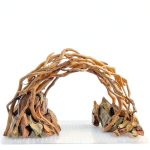
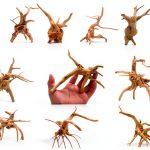
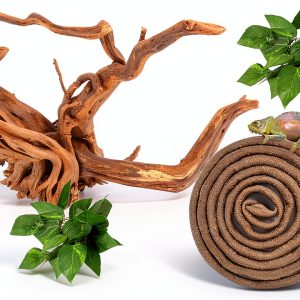
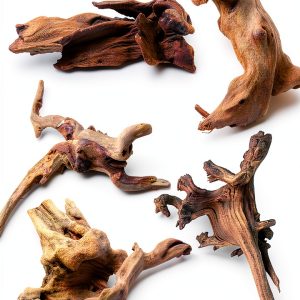
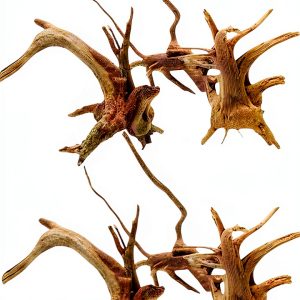
Zoo Med’s Betta Mopani Wood set (model BA-10) is a meticulously engineered trio of natural-looking wooden branches that bring the hidden, root-laden environments of Southeast Asian streams directly into a home aquarium. Each branch measures roughly 5 × 3 × 3 inches and weighs just over three ounces, making them light enough to float or be gently anchored while still providing a substantial, tactile surface for a betta to explore. The wood is harvested from responsibly managed tropical forests, then undergoes a multi-stage cleaning, kiln-drying, and curing process that removes any potential pathogens, parasites, or unwanted chemicals. This careful preparation not only guarantees safety for delicate fish but also preserves the wood’s innate ability to release natural tannins. Those tannins subtly tint the water a gentle amber hue, creating the coveted “dark water” effect that bettas instinctively seek for camouflage and comfort. In addition to aesthetic enhancement, the darkened water can help stabilize pH and create a more stable micro-environment, which is especially beneficial in smaller tanks where water parameters fluctuate more rapidly. The three-piece packaging gives hobbyists the flexibility to arrange the branches in a variety of configurations—stacked, spaced apart, or clustered—allowing each aquarium to develop a unique visual depth and providing multiple zones for a betta to claim as its own territory.
Beyond visual appeal, the set’s practical specifications make it a versatile addition for a wide range of tank sizes. The 5 × 3 × 3 inch dimensions allow each piece to fit comfortably in tanks as small as 2.5 gallons while still providing enough surface area for a betta to rest. The lightweight construction means the wood will not sink abruptly, reducing the risk of injury to delicate fins. Each branch is pre-drilled with a small, unobtrusive hole that can be used to attach fishing line or silicone for more permanent placement. The packaging includes a clear, recyclable box with a concise instruction sheet that outlines cleaning, installation, and maintenance steps, ensuring that even newcomers to the hobby can achieve a professional-looking setup with confidence.
![[Product front view showing all components]](https://www.asviro.store/wp-content/uploads/2026/07/4cd2f9176b20411a82d41fe3828ca920.jpg)
Usage
Before placing the Mopani Wood into a tank, it is advisable to rinse each piece under running dechlorinated water for a minute or two. This step removes any residual sawdust or fine particles that may have settled during shipping. Once cleaned, the branches can be positioned in several ways depending on the desired look and functional goals. For a floating effect, gently lay the wood near the water surface and allow the natural buoyancy to keep it suspended; the dark tannins will begin leaching immediately, creating a soft veil that reduces glare and mimics the dappled light of a forest stream. For a more anchored setup, apply a thin line of aquarium-safe silicone to the base of each branch and press it into the substrate, ensuring a secure bond that will not shift during vigorous swimming. The irregular contours of each piece provide perfect footholds for a betta’s pectoral fins, encouraging the fish to perch, rest, and display its characteristic flaring behavior. Moreover, the textured surfaces serve as ideal attachment points for bubble nests, a critical component of betta breeding cycles. When a male betta discovers a suitable spot, it will begin blowing bubbles and weaving them into a cohesive nest that later houses eggs and fry. By offering multiple potential nesting sites, the Mopani Wood increases the likelihood of successful spawning and reduces competition among multiple males in a community setting. In mixed-species tanks, the wood also creates secluded corners for shy or nocturnal fish, helping to alleviate stress and promote natural schooling or foraging patterns. Regular maintenance—such as weekly water changes, substrate vacuuming, and occasional gentle brushing of the wood with a soft aquarium brush—will keep the décor free of algae buildup while preserving its functional benefits.
Why Choose Us
Zoo Med has built a reputation over more than three decades for delivering products that combine scientific research, ethical sourcing, and practical design. The company’s in-house aquatics laboratory conducts extensive behavioral studies on betta fish, allowing engineers to translate observed natural preferences into tangible aquarium accessories. This research-driven approach is evident in the Mopani Wood’s shape, texture, and size, all of which have been optimized to stimulate curiosity, reduce aggression, and promote healthy activity levels. Sustainability is another cornerstone of the brand; the wood is harvested under strict forest stewardship certifications that ensure no more than a predetermined percentage of trees are removed from any given area, preserving biodiversity and supporting local economies. Quality control protocols include batch testing for water chemistry impact, ensuring that each piece releases tannins within a safe concentration range and does not introduce harmful substances. Zoo Med also offers a comprehensive warranty and a responsive customer-service team that can answer questions about installation, compatibility, and troubleshooting. For hobbyists who value both the well-being of their fish and the environmental footprint of their equipment, the Betta Mopani Wood set represents a thoughtful, responsibly produced choice that aligns with modern aquarium-keeping standards.
Installation & Care
Proper installation begins with a clear assessment of the tank’s dimensions, existing décor, and the behavior of its inhabitants. In a standard 5-gallon betta tank, the three branches can be arranged to form a gentle arch that spans the width of the aquarium, creating a shaded canopy that mimics the overhanging roots found in natural streams. For larger community tanks, consider distributing the pieces across different corners to provide multiple micro-habitats. When using silicone to secure the wood, apply a thin bead along the underside of the branch, press it firmly into the substrate, and allow the adhesive to cure for at least 24 hours before re-introducing fish. This curing period prevents any accidental release of uncured chemicals into the water. Ongoing care involves monitoring water parameters—especially pH and hardness—since the tannins can cause a slight acidification over time. If the water becomes too acidic for the tank’s inhabitants, a partial water change with a buffered solution can restore balance. Algae growth on the wood’s surface is common in well-lit tanks; a soft brush or a gentle stream of water from a siphon can remove the buildup without damaging the wood’s texture. Periodic replacement of the wood is not required, as the material is designed to last for years, but some hobbyists choose to rotate new pieces in after several years to refresh the visual effect and maintain optimal tannin levels.
Scientific Background
Betta splendens originate from the shallow, slow-moving streams and rice paddies of Thailand, Cambodia, and Vietnam, where the water is often stained by dissolved organic matter from leaf litter and submerged roots. This natural “blackwater” environment provides low visibility, which helps bettas avoid predators and reduces competition for mates. The dark coloration also enhances the visibility of the male’s vibrant fins during courtship displays, allowing the fish to be seen without exposing itself to open water. Tannins released by decaying wood and plant material are the primary contributors to this coloration; they bind with metal ions in the water, creating a stable, slightly acidic medium that supports the growth of certain microorganisms beneficial to fish health. By introducing sustainably sourced Mopani wood into a captive setting, aquarists can replicate these chemical and visual conditions, encouraging more natural behavior such as bubble-nest construction, territorial patrolling, and reduced aggression toward tank mates. Studies have shown that bettas kept in environments with moderate tannin levels exhibit lower cortisol levels and display more frequent courtship displays compared to those in clear, brightly lit water.
Advanced Care Tips
For aquarists seeking to fine-tune the tannin output, consider pre-soaking the wood in a separate container of dechlorinated water for 24-48 hours before introduction. This practice allows the most aggressive tannins to leach out, reducing the initial spike in water coloration and giving the hobbyist greater control over the final hue. If the tank’s pH drops below the preferred range for bettas (6.5-7.5), a small dose of crushed coral or a commercial pH buffer can be added to raise hardness without compromising the wood’s benefits. Monitoring water parameters with a reliable test kit at least twice a week during the first month will help identify any trends caused by the wood’s natural leaching. Additionally, rotating the orientation of the branches every few weeks can prevent localized algae growth and provide fresh visual interest for the fish. For breeding setups, position one branch near the surface and another near the bottom to give the male multiple nesting options, increasing the likelihood of successful spawning.
Key Features
- Three-piece wooden set creates a realistic dark-water environment that reduces betta stress.
- Natural tannins from sustainably sourced wood enhance water coloration and mimic wild habitats.
- Irregular branch shapes provide perfect anchor points for bubble-nest building and territorial marking.
- Easy to clean and install; fits most standard 5-gallon betta tanks without additional equipment.
- Backed by Zoo Med’s dedicated customer service and a satisfaction guarantee for peace of mind.
FAQ
How long does it take for the dark-water effect to appear?
The wood begins releasing tannins within the first 24-48 hours, but the full depth of color typically develops over 3-5 days as the pigments diffuse throughout the water.
Is the wood safe for all types of freshwater fish?
Yes, the wood is non-toxic and suitable for most community freshwater species, though bettas benefit most from its shelter-providing design.
Can I use the wood in a planted aquarium?
Absolutely. The wood’s natural appearance complements live plants, and the tannins can even promote the growth of certain plant species that thrive in slightly acidic water.
Do I need to treat the wood before adding it to my tank?
Simply rinse the pieces with dechlorinated water to remove dust. No additional chemical treatment is required, as the wood is already cured and ready for aquarium use.
What maintenance is required to keep the wood in good condition?
Regular water changes and occasional gentle scrubbing with a soft brush will prevent excessive buildup of algae or debris, ensuring the wood remains a clean, attractive feature in your aquarium.
Can the wood be used in a reef tank?
While the wood is safe for freshwater environments, it is not recommended for marine or reef tanks because the tannins can affect coral coloration and water chemistry.
Does the wood affect filter performance?
The porous nature of the wood can trap fine particles, which may slightly increase the load on mechanical filters. Regular cleaning of filter media will mitigate any impact.
Customer Testimonials
“My betta immediately claimed the Mopani branches as its own territory. The dark water effect made the tank look like a miniature rainforest, and I’ve noticed fewer stress-related color changes.” – Emily R., hobbyist since 2015.
“I run a community tank with shy tetras and a dwarf gourami. The wood provides perfect hiding spots, and the tannins have helped keep the pH stable for months.” – Carlos M., aquarist and YouTube creator.
“After adding the Mopani wood, my betta’s colors became more vibrant and it started building a bubble nest every evening. The subtle dark water also made the tank look more professional, even though I’m a beginner.” – Sarah L., first-time fish owner.
“I appreciate the sustainable sourcing. Knowing that the wood comes from responsibly managed forests makes me feel better about the environmental footprint of my hobby.” – Daniel K., eco-focused aquarist.
Design Inspiration
The shape of each Mopani branch was inspired by the twisted roots and fallen logs that line the banks of the Mekong River, where wild bettas spend much of their lives hiding among submerged vegetation and debris. Designers studied high-resolution photographs of natural habitats, then used computer-aided modeling to replicate the irregular angles and surface textures that encourage fish to explore every nook. The result is a piece that feels authentic to the touch, with subtle ridges and cavities that mimic the micro-habitats formed by decaying wood in the wild. By translating these natural forms into a compact, aquarium-safe product, Zoo Med enables hobbyists to provide a slice of the betta’s native ecosystem without the need for large, complex setups. The aesthetic appeal also extends to the human observer; the dark water backdrop creates a striking contrast against the bright colors of the betta, turning a simple tank into a miniature work of living art.
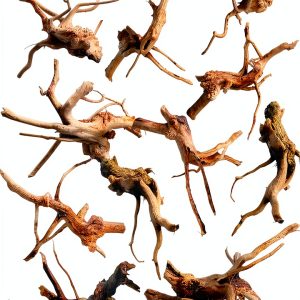
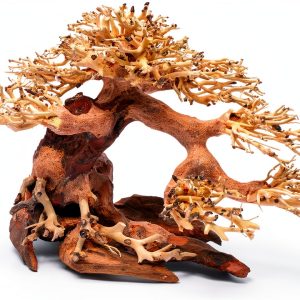
 Aquarium Driftwood Branches Dwuww 2-Piece Natural Wood Décor 8-10cm
Reviews
There are no reviews yet.