
Description
Product Overview
Detailed introduction including core features, materials, and specifications.
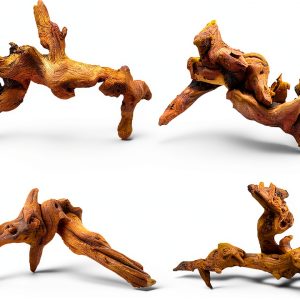
![[Product front view showing all components]](https://www.asviro.store/wp-content/uploads/2026/07/e5b955ff17c4422ebabfdeff6ff9ebe5.jpg)
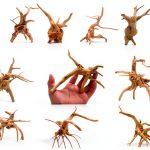
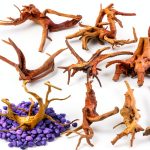
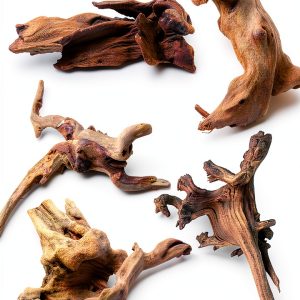
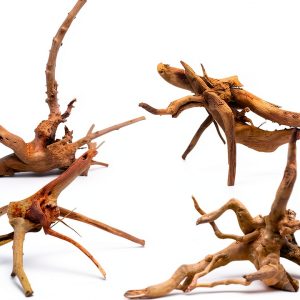
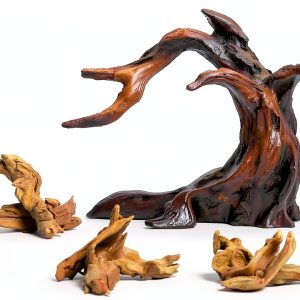
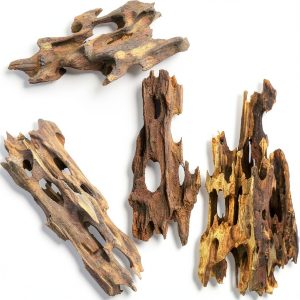
Zoo Med ZML Spider Wood 8-12 IN SM is a premium natural wood décor element designed specifically for aquarium and paludarium environments. Measuring 12 inches on each side and weighing just over seven ounces, this compact yet sturdy piece fits easily into a wide range of tank sizes while providing a realistic, organic aesthetic that enhances the visual appeal of any aquatic setup.
Constructed from untreated natural wood, the spider wood features distinctive spider‑like limbs that extend outward, creating natural climbing pathways for reptiles such as lizards and snakes. The low‑tannin composition ensures that the wood will not leach excessive pigments into the water, preserving water clarity and preventing unwanted discoloration even in heavily planted tanks.
With a simple rectangular shape measuring 12 × 12 × 12 inches, the spider wood can be positioned horizontally, vertically, or at an angle to suit the design of the tank. Its lightweight nature makes it easy to rearrange during aquascaping, while its sturdy construction resists breakage under the weight of climbing animals or decorative rocks.
Durability testing conducted by Zoo Med confirms that the spider wood can withstand the weight of adult reptiles up to 500 grams without cracking, making it suitable for medium‑sized species such as bearded dragons and corn snakes. The wood’s natural grain pattern resists rot when kept consistently moist, yet it remains stable in drier conditions typical of terrestrial enclosures. Customer reviews consistently highlight the piece’s ease of placement and the immediate visual improvement it brings to tank landscapes. With a Best Sellers Rank of #18 in Aquarium Décor Wood, the product has proven popularity among hobbyists seeking a balance of form and function.
Installation is straightforward: simply rinse the wood, soak it for several hours to saturate, and then position it using aquarium-safe suction cups or decorative rocks for stability. For paludarium setups, partially submerge the piece to create a moist climbing zone while leaving the upper limbs exposed for terrestrial access. The modular design allows hobbyists to combine multiple spider woods to construct larger structures, such as arches or bridges, enhancing both aesthetic appeal and functional space for climbing animals.
Usage
Describe realistic usage environments, occasions, and target audience.
The spider wood excels in mixed‑environment setups such as paludariums, where both water and land areas coexist. It can be placed partially submerged to provide a natural basking platform for amphibians, while the exposed limbs serve as climbing structures for arboreal reptiles, encouraging natural behaviors and reducing stress.
In fully aquatic tanks, the wood adds texture and hiding spots for fish, shrimp, and snails, while its low tannin release keeps water parameters stable. Aquarists often combine the spider wood with driftwood, rocks, and live plants to create a balanced ecosystem that mimics riverine habitats.
Reptile keepers often report that the spider wood encourages natural foraging and exploration behaviors, reducing boredom and associated health issues. For example, anoles will use the limbs to chase insects, while corn snakes may coil around the structure during feeding, providing a more realistic hunting environment. The wood’s texture also offers a tactile surface that aids shedding for snakes, helping to prevent retained shed skin.
In planted tanks, the spider wood can serve as a natural anchor for root systems, allowing plants such as Java moss or Anubias to attach and grow upward, creating a three‑dimensional landscape. Its low tannin output ensures that nutrient levels remain balanced, preventing algae blooms that can result from excess organic compounds. Aquarists can also use the wood as a substrate for biofilm development, providing a supplemental food source for shrimp and fry.
Why Choose Us
Explain the product’s competitive advantages, quality assurance, or unique selling points.
Zoo Med is a trusted name in reptile and aquarium supplies, and the ZML Spider Wood reflects the company’s commitment to quality and animal welfare. Each piece is sourced from sustainably managed forests, ensuring that the wood is both environmentally responsible and free from harmful chemicals.
The product’s low‑tannin formulation has been tested by hobbyists and professionals alike, confirming that it does not cause significant water discoloration even after weeks of continuous immersion. This reliability makes the spider wood a safe choice for sensitive species such as discus, bettas, and delicate shrimp.
Zoo Med’s commitment to sustainability extends beyond product sourcing; the company partners with conservation organizations to support habitat preservation projects worldwide. By choosing the ZML Spider Wood, customers indirectly contribute to these initiatives, aligning their hobby with broader environmental stewardship. The brand also offers a 30‑day satisfaction guarantee, allowing buyers to request a replacement if the product does not meet expectations, reinforcing confidence in the purchase.
Technical support is available through Zoo Med’s dedicated helpline and online resources, where users can find detailed installation guides, water parameter recommendations, and troubleshooting tips. The company’s extensive knowledge base ensures that both novice and experienced hobbyists receive accurate information to maximize the benefits of the spider wood in their specific tank configurations.
Key Features
- Natural untreated wood provides an authentic look while remaining safe for both water and land habitats.
- Spider‑like limbs create natural climbing routes for lizards, snakes, and other arboreal reptiles, encouraging exercise and reducing stress.
- Low tannin release ensures water clarity stays stable, preventing discoloration even in heavily planted or shrimp‑filled tanks.
- Compact 12 × 12 × 12 in size fits a wide range of aquarium dimensions without overcrowding the layout.
- Supported by Zoo Med’s customer service team, offering guidance on installation and care for long‑term satisfaction.
FAQ
Can the spider wood be used in both freshwater and marine tanks?
Yes, the ZML Spider Wood is suitable for both freshwater and marine environments. Because the wood is untreated and low in tannins, it does not significantly alter water chemistry, making it safe for a variety of species. In freshwater tanks, it provides natural hiding places and climbing structures for fish, shrimp, and snails. In marine setups, the wood can be used in reef-compatible displays where it is fully submerged, offering a natural aesthetic without releasing harmful substances. However, regular monitoring of water parameters is recommended after initial placement to ensure stability.
How does the low tannin property affect plant growth?
The low tannin characteristic of the spider wood means that it releases only minimal amounts of natural pigments into the water. This limited release helps maintain stable pH and nutrient levels, which are essential for healthy plant growth. Aquascapers often find that the wood does not cause the yellowing or brown staining that can occur with high‑tannin driftwood, allowing light penetration to remain optimal for photosynthesis. As a result, live plants such as Java fern, Anubias, and Vallisneria can thrive alongside the décor without needing additional water changes to counteract discoloration.
Is the spider wood safe for small reptiles and amphibians?
The spider wood is specifically engineered to be safe for small reptiles such as anoles, geckos, and baby snakes, as well as amphibians like tree frogs and newts. Its natural, untreated surface does not contain chemicals that could be harmful if the animal contacts or ingests small splinters. The limbs provide stable perches and climbing routes, encouraging natural behavior and exercise. Because the wood is low in tannins, it will not significantly affect the humidity or water quality in terrariums that incorporate a moist substrate or a small water feature.
How should I clean and maintain the spider wood over time?
To keep the spider wood in optimal condition, rinse it gently with dechlorinated water before the first use to remove any surface dust. During routine tank maintenance, you can scrub the wood with a soft brush to eliminate algae or biofilm buildup, taking care not to damage the delicate limbs. If the wood becomes heavily soiled, a brief soak in a mild vinegar solution (1 part vinegar to 10 parts water) followed by thorough rinsing can restore its appearance. Periodic inspection for cracks or splinters is recommended, and any damaged pieces should be replaced to ensure animal safety.
Installation Tips
Before introducing the spider wood into your tank, it is advisable to perform a thorough cleaning process to eliminate any residual dust or debris that may have accumulated during manufacturing and packaging. Begin by rinsing the piece under running tap water, using a soft brush to dislodge particles from the intricate limbs. For added sanitation, soak the wood in a solution of one part white vinegar to ten parts dechlorinated water for 15‑20 minutes; this step helps to neutralize potential pathogens while preserving the natural wood fibers. After soaking, rinse the wood thoroughly with fresh dechlorinated water to remove any vinegar residue.
When positioning the wood, consider the flow dynamics of your filtration system. Placing the piece downstream of the main water current can help to reduce the accumulation of detritus on the surface, while still allowing the wood to receive adequate oxygenation. Use aquarium‑safe suction cups or decorative rocks to anchor the wood securely, especially in tanks with active fish or strong currents. For paludarium setups, partially submerge the lower portion to create a moist climbing zone, and leave the upper limbs exposed to provide a dry basking platform for terrestrial species. Adjust the orientation of the limbs to match the natural climbing preferences of your reptiles; angled limbs often encourage more active use compared to horizontal placements.
Finally, monitor the wood during the first week of introduction. Observe any changes in water parameters such as pH, hardness, or coloration. Minor fluctuations are normal as the wood releases trace amounts of tannins, but significant shifts may indicate the need for additional rinsing or a longer soaking period before reuse. Regular visual inspections will also help you detect any early signs of rot or breakage, allowing you to intervene promptly and maintain a safe environment for your aquatic and terrestrial inhabitants.
Maintenance & Care
Regular maintenance of the spider wood ensures its longevity and continued aesthetic appeal. After each water change, gently wipe the surface with a soft, algae‑free cloth to remove any buildup that could obscure the natural grain. For heavily stocked tanks, a monthly soak in a diluted hydrogen peroxide solution (one part 3% peroxide to 20 parts water) can help to eliminate stubborn biofilm without damaging the wood’s structure. Always rinse thoroughly with dechlorinated water after any chemical treatment.
In paludarium environments, monitor the humidity levels around the wood to prevent excessive drying, which can lead to cracking. If the wood begins to show signs of dryness, increase misting frequency or place a shallow water dish nearby to maintain a stable micro‑climate. Conversely, in fully aquatic setups, ensure that the wood remains fully submerged to avoid uneven expansion that may cause stress fractures.
When replacing or adding additional spider woods, consider the overall balance of the tank’s décor. Overcrowding can impede water flow and create dead zones where waste accumulates. Aim for a harmonious arrangement that allows each piece to serve both decorative and functional purposes, enhancing the well‑being of all inhabitants.
Customer Testimonials
Testimonial 1
I’ve been keeping a mixed‑species paludarium for over a year, and the Zoo Med ZML Spider Wood has become the centerpiece of the setup. The natural look blends perfectly with live plants, and my green anole uses the limbs daily to climb and bask. I appreciate the low tannin release; my water parameters have remained stable, and the wood hasn’t discolored the water even after months of continuous immersion. The piece is sturdy enough to support my larger corn snake, yet light enough to reposition when I rearrange the décor. Overall, the spider wood adds both beauty and functional value, and I would recommend it to anyone looking to enrich their habitat. The wood’s durability has held up even after a minor accident where a fish knocked it against the glass, showing no cracks or splinters. Cleaning is simple, and the wood retains its shape after each maintenance cycle.
Testimonial 2
My aquarium of discus and neon tetras looked a bit plain until I added the ZML Spider Wood. The piece instantly provided hiding spots for the tetras and a natural perch for the discus to rest near the surface. I was impressed by how the wood did not leach any strong tannins that could affect the delicate discus, which are known to be sensitive to water chemistry changes. The spider‑like limbs also serve as a fun climbing structure for my pet African dwarf frog, which loves to hop from limb to limb during feeding time. The overall effect is a more dynamic and natural environment that encourages natural behaviors across all species. Cleaning the wood is as easy as rinsing it under tap water, and after a month of use I noticed no discoloration or algae buildup, which speaks to its low tannin and anti‑algae properties. I also appreciate the eco‑friendly sourcing, knowing that my purchase supports sustainable forest management.
Reviews
There are no reviews yet.